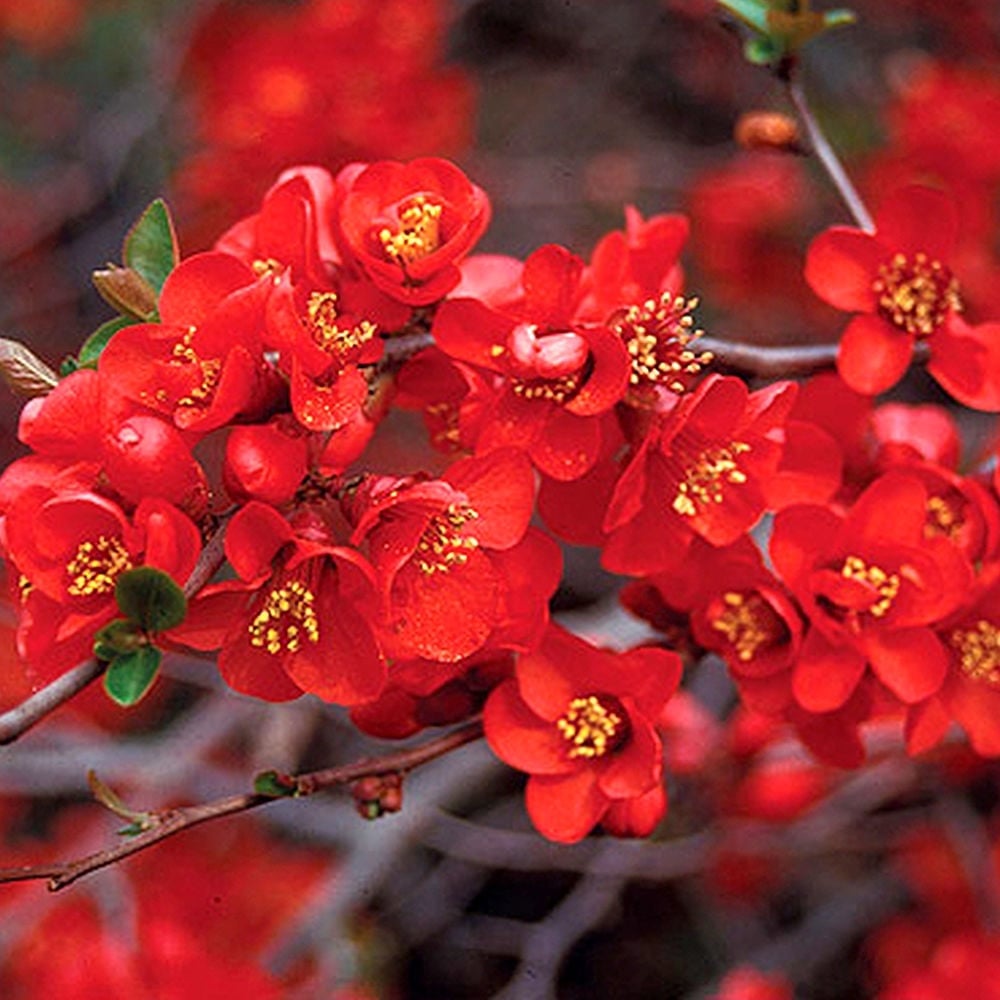
Chaenomeles × superba Crimson and Gold
£22.00
Description
Quick Facts
- Common Name: Flowering Quince, Japanese Quince
- Botanical Name: Chaenomeles × superba ‘Crimson and Gold’
- Plant Type: Deciduous flowering shrub
- Mature Height: 1–1.5m
- Mature Spread: 1.5–2m
- Flowering Period: March to April (often with a few repeat flowers)
- Flower Colour: Deep crimson-red flowers with golden-yellow centres
- Foliage: Glossy mid-green leaves
- Fruit: Small, yellow quince-like fruits in autumn (fragrant; best cooked)
- Hardiness: RHS H6 (hardy throughout UK & Ireland)
- Soil Requirements: Moist, well-drained soil; adaptable
- Aspect: Full sun to partial shade
- Maintenance: Low to moderate (pruning after flowering)
Description
Chaenomeles × superba ‘Crimson and Gold’ is a true early-spring showstopper—one of those shrubs that makes you stop in your tracks. Just as the garden begins to stir, it bursts into flower with rich crimson blooms, each one lit from the centre with a golden eye, like tiny lanterns along the stems.
The display is bold, cheerful, and wonderfully reliable, bringing colour at a time when it’s most appreciated. Flowers open along twiggy branches before the leaves fully emerge, creating a striking silhouette that looks beautiful against brick, stone, or evergreen backdrops. As spring moves on, glossy green foliage fills out the plant, forming a dense, useful shrub that works brilliantly in mixed borders, as an informal hedge, or trained against a wall or fence.
Later in the year, ‘Crimson and Gold’ can also produce small, fragrant yellow fruits. They’re not usually eaten raw, but they’re perfect for cooking into jellies, preserves, or quince-style compotes—an extra little reward if you fancy it.
Hardy, unfussy, and generous, this is a brilliant shrub for Irish and UK gardens: maximum spring impact, minimal maintenance, and a shape that earns its keep all year.
Caragh Garden Notebook
Planting:
Space plants 1.2–1.8m apart depending on whether you want a single specimen or a fuller hedge effect. Plant container-grown specimens year-round, ideally in spring (March–May) or autumn (September–October). Choose a position in full sun to partial shade—full sun gives the best flowering and helps ripen any fruit. Dig a generous hole, loosen the soil well, and incorporate compost to support establishment. Plant at the same depth as in the pot, firm in gently, water thoroughly, and mulch.
Space plants 1.2–1.8m apart depending on whether you want a single specimen or a fuller hedge effect. Plant container-grown specimens year-round, ideally in spring (March–May) or autumn (September–October). Choose a position in full sun to partial shade—full sun gives the best flowering and helps ripen any fruit. Dig a generous hole, loosen the soil well, and incorporate compost to support establishment. Plant at the same depth as in the pot, firm in gently, water thoroughly, and mulch.
Soil Preparation:
Prefers moist, well-drained soil but is very adaptable. Tolerates clay, loam, and sandy soils as long as drainage is reasonable. Improve heavy clay with organic matter to help drainage; improve sandy soils with compost to retain moisture. Mulch annually to feed the soil and keep moisture levels steady.
Prefers moist, well-drained soil but is very adaptable. Tolerates clay, loam, and sandy soils as long as drainage is reasonable. Improve heavy clay with organic matter to help drainage; improve sandy soils with compost to retain moisture. Mulch annually to feed the soil and keep moisture levels steady.
Seasonal Care:
Water during prolonged dry spells in the first 1–2 years while establishing. Once settled, it’s fairly drought-tolerant. Feed in spring with a balanced fertiliser if growth is slow, though it’s generally not demanding.
Water during prolonged dry spells in the first 1–2 years while establishing. Once settled, it’s fairly drought-tolerant. Feed in spring with a balanced fertiliser if growth is slow, though it’s generally not demanding.
Pruning (Best Flowers Next Year):
Prune after flowering (late spring) to maintain shape and encourage strong new growth that will carry next year’s blooms. Remove dead, damaged, or crossing stems, and lightly thin congested growth to improve airflow. Older shrubs can be renovated gradually by removing a portion of the oldest stems at the base over a couple of seasons.
Prune after flowering (late spring) to maintain shape and encourage strong new growth that will carry next year’s blooms. Remove dead, damaged, or crossing stems, and lightly thin congested growth to improve airflow. Older shrubs can be renovated gradually by removing a portion of the oldest stems at the base over a couple of seasons.
Training Options:
Can be grown as a free-standing shrub, used as an informal hedge, or trained against a wall or fence for a more architectural look and heavier flowering.
Can be grown as a free-standing shrub, used as an informal hedge, or trained against a wall or fence for a more architectural look and heavier flowering.
Pests & Problems:
Generally trouble-free. Keep an eye out for aphids on soft new growth in spring. Good airflow helps prevent fungal issues.
Generally trouble-free. Keep an eye out for aphids on soft new growth in spring. Good airflow helps prevent fungal issues.
Propagation:
Propagate from semi-ripe cuttings in summer, or by layering. (Nursery plants give the quickest impact and best flowering performance.)
Propagate from semi-ripe cuttings in summer, or by layering. (Nursery plants give the quickest impact and best flowering performance.)
Related products
-

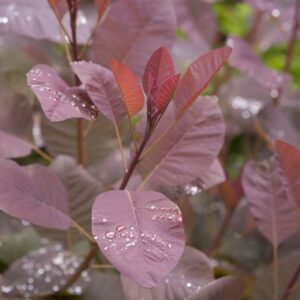
Cotinus ‘Grace’
£25.00 Select options This product has multiple variants. The options may be chosen on the product page -
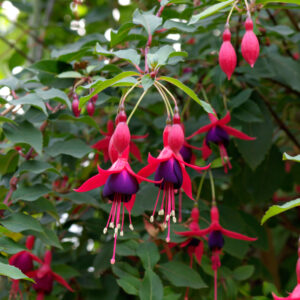
Fuchsia ‘Mrs Popple’
£8.50 Select options This product has multiple variants. The options may be chosen on the product page -
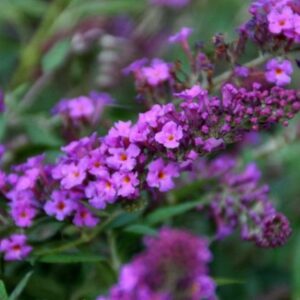
Buddleja Petite Dark Pink
£25.00 Select options This product has multiple variants. The options may be chosen on the product page -
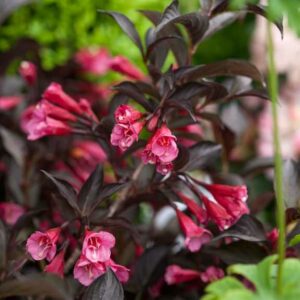
Weigela florida Alexandra
Price range: £15.00 through £20.00 Select options This product has multiple variants. The options may be chosen on the product page