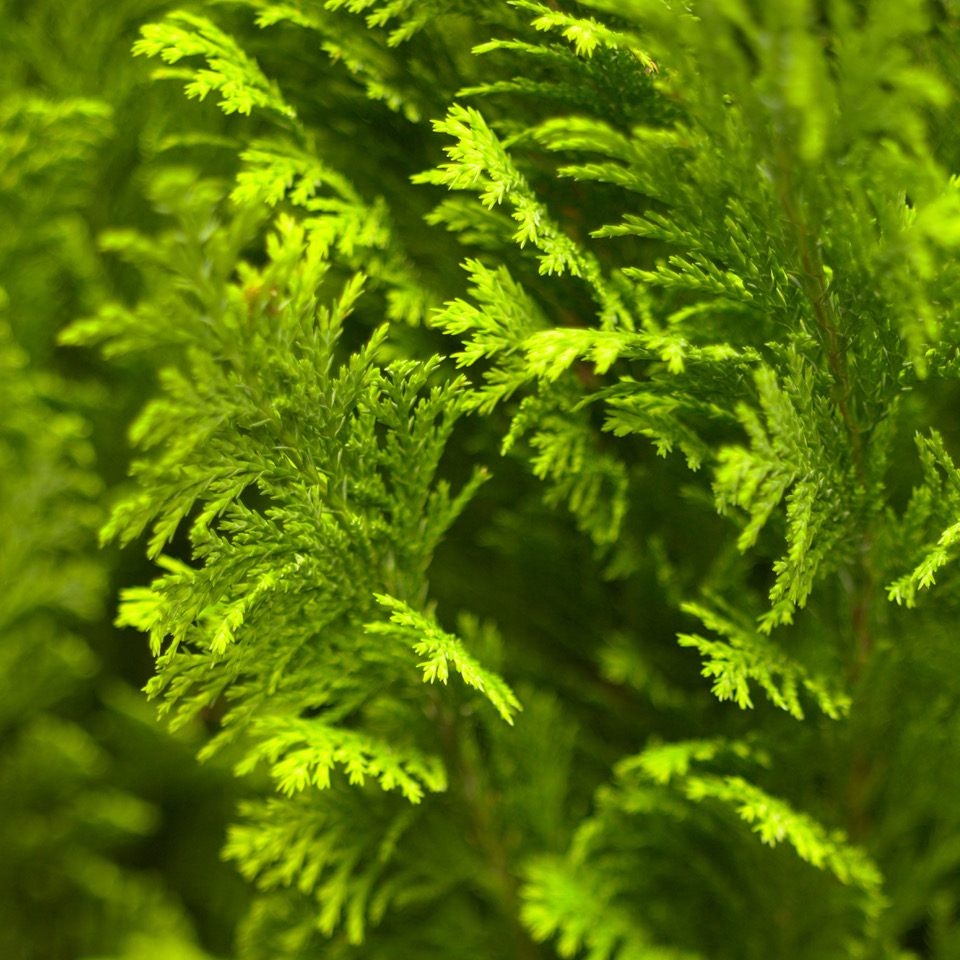
Chamaecyparis lawsoniana Ellwoods gold
£25.00
Frequently Bought Together
Description
Quick Facts
- Common Name: Ellwood’s Gold Lawson Cypress, Golden Lawson Cypress
- Botanical Name: Chamaecyparis lawsoniana ‘Ellwood’s Gold’
- Plant Type: Evergreen conifer shrub (upright, compact)
- Mature Height: 1.5–3m (slow growing; can be kept smaller with light trimming)
- Mature Spread: 0.8–1.5m
- Foliage: Dense, soft sprays; golden-yellow tips over blue-green inner foliage (strongest colour in sun)
- Hardiness: RHS H6 (hardy throughout UK & Ireland)
- Soil Requirements: Moist, well-drained soil; prefers slightly acidic to neutral
- Aspect: Full sun to partial shade (best colour in sun)
- Maintenance: Low
Description
Chamaecyparis lawsoniana ‘Ellwood’s Gold’ is a beautifully compact, upright conifer that brings year-round structure with a soft wash of golden colour. Neat, dense, and naturally architectural, it’s the kind of plant that instantly makes a border feel more finished—adding height and form without looking harsh or heavy.
The foliage is its real charm: soft, finely textured sprays with golden-yellow tips that glow in good light, sitting over cooler blue-green tones within the plant. The overall effect is bright but refined—more “golden highlight” than neon—making it incredibly easy to pair with everything from deep greens and purples to silvery foliage and winter whites. In colder months, the colour often deepens and warms, giving you that valuable winter lift when so many borders fade.
Because it grows slowly and holds its shape so well, ‘Ellwood’s Gold’ is ideal for smaller gardens, front borders, gravel planting, and containers. Use it as a repeating evergreen accent to create rhythm through a planting scheme, or as a single statement piece where you want a tidy, golden focal point that looks good every day of the year.
Caragh Garden Notebook
Planting:
Space plants 80cm–1.2m apart depending on how quickly you want them to knit together. Plant container-grown specimens year-round, ideally in spring (March–May) or early autumn (September–October). Choose a position in full sun to partial shade—full sun gives the best golden colour and the most compact habit. Dig a hole twice the width of the pot, loosen the surrounding soil, and incorporate organic matter to help moisture retention and establishment. Plant at the same depth as in the pot, firm in gently, water thoroughly, and mulch.
Space plants 80cm–1.2m apart depending on how quickly you want them to knit together. Plant container-grown specimens year-round, ideally in spring (March–May) or early autumn (September–October). Choose a position in full sun to partial shade—full sun gives the best golden colour and the most compact habit. Dig a hole twice the width of the pot, loosen the surrounding soil, and incorporate organic matter to help moisture retention and establishment. Plant at the same depth as in the pot, firm in gently, water thoroughly, and mulch.
Soil Preparation:
Prefers moist, well-drained soil and dislikes extremes (very dry or waterlogged ground). Best in slightly acidic to neutral soil, though it will tolerate a range if drainage is good. Improve heavy clay with compost and grit to aid drainage; improve sandy soils with compost to retain moisture. Mulch annually to keep roots cool, conserve moisture, and feed the soil.
Prefers moist, well-drained soil and dislikes extremes (very dry or waterlogged ground). Best in slightly acidic to neutral soil, though it will tolerate a range if drainage is good. Improve heavy clay with compost and grit to aid drainage; improve sandy soils with compost to retain moisture. Mulch annually to keep roots cool, conserve moisture, and feed the soil.
Container Growing:
Excellent in pots and planters. Use a generous container with good drainage holes and a quality compost (a mix including ericaceous compost can help if your soil/water is very alkaline). Water regularly—containers dry out quickly, especially in sun and wind. Feed in spring with a slow-release fertiliser suitable for conifers.
Excellent in pots and planters. Use a generous container with good drainage holes and a quality compost (a mix including ericaceous compost can help if your soil/water is very alkaline). Water regularly—containers dry out quickly, especially in sun and wind. Feed in spring with a slow-release fertiliser suitable for conifers.
Seasonal Care:
Low maintenance and naturally tidy. No pruning is essential, but you can lightly trim in late spring or early summer to keep it extra compact. Avoid cutting back into old brown wood, as conifers may not regrow from bare stems. Water during prolonged dry spells, particularly in the first 1–2 years after planting. In very exposed sites, drying winds can cause slight bronzing—some shelter helps it look its best through winter.
Low maintenance and naturally tidy. No pruning is essential, but you can lightly trim in late spring or early summer to keep it extra compact. Avoid cutting back into old brown wood, as conifers may not regrow from bare stems. Water during prolonged dry spells, particularly in the first 1–2 years after planting. In very exposed sites, drying winds can cause slight bronzing—some shelter helps it look its best through winter.
Design Notes:
Use as a neat evergreen “exclamation mark” in borders, or repeat at intervals to create structure and rhythm. Looks gorgeous with heathers, grasses, hellebores, skimmias, ferns, and winter bulbs. Also pairs beautifully with dark-leaved plants for high contrast.
Use as a neat evergreen “exclamation mark” in borders, or repeat at intervals to create structure and rhythm. Looks gorgeous with heathers, grasses, hellebores, skimmias, ferns, and winter bulbs. Also pairs beautifully with dark-leaved plants for high contrast.
Related products
-

Acer palmatum Atropurpureum
£120.00 Select options This product has multiple variants. The options may be chosen on the product page -
Acacia dealbata / Mimosa Tree
Price range: £210.00 through £1,050.00 Select options This product has multiple variants. The options may be chosen on the product page -
Acer Crimson King / Red Norway Maple
Price range: £180.00 through £950.00 Select options This product has multiple variants. The options may be chosen on the product page -
Acer negundo Flamingo
£180.00 Select options This product has multiple variants. The options may be chosen on the product page