Cornus kousa Schmetterling
Price range: £65.00 through £195.00
Description
Botanical Name: Cornus kousa ‘Schmetterling’
Common Name: Kousa Dogwood ‘Schmetterling’
Plant Type: Deciduous flowering tree (small tree / large shrub)
Position: Full sun to partial shade (sheltered is best)
Soil: Moist, well-drained, fertile soil; slightly acidic to neutral
Ultimate Height/Spread: Approx. 4–6m x 3–5m (slow to moderate)
Growth Rate: Slow to moderate
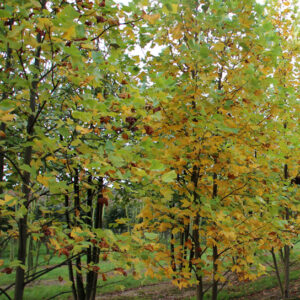
Foliage: Mid-green leaves, turning rich red and purple tones in autumn
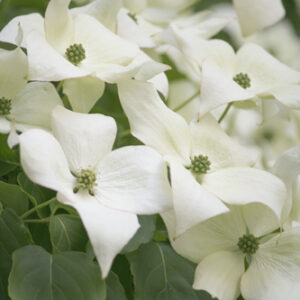
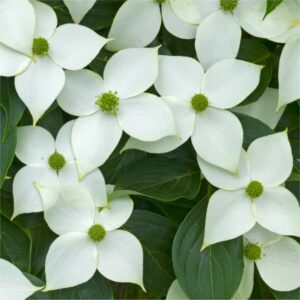
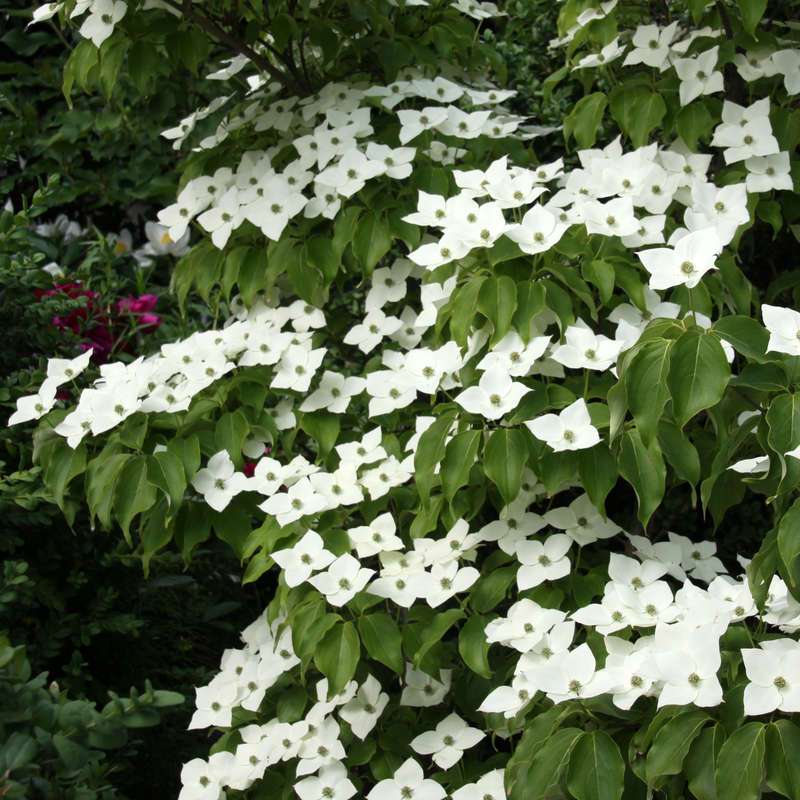
Flowering: Large creamy-white bracts in early summer
Hardiness: Hardy in Ireland & the UK
Common Name: Kousa Dogwood ‘Schmetterling’
Plant Type: Deciduous flowering tree (small tree / large shrub)
Position: Full sun to partial shade (sheltered is best)
Soil: Moist, well-drained, fertile soil; slightly acidic to neutral
Ultimate Height/Spread: Approx. 4–6m x 3–5m (slow to moderate)
Growth Rate: Slow to moderate
Foliage: Mid-green leaves, turning rich red and purple tones in autumn
Flowering: Large creamy-white bracts in early summer
Hardiness: Hardy in Ireland & the UK
Soft, creamy flowers and standout autumn colour
Cornus kousa ‘Schmetterling’ (meaning “butterfly”) is a beautifully elegant small tree, loved for its generous early-summer display. The large creamy-white bracts sit above the foliage like fluttering wings, giving the whole tree a light, airy feel — perfect for bringing a sense of calm and softness to a garden.
As the season moves on, it keeps earning its space: strong shape and structure, fresh green leaves through summer, and then a rich autumn finale in reds and purples. It’s a wonderful choice if you want a feature tree that feels refined rather than showy.
Where it thrives best
This dogwood prefers moisture-retentive, well-drained soil and a position that avoids harsh winds. It will flower best with a bit of sun, but in more exposed gardens a little dappled shade can help keep it looking its best. Avoid very dry sites, especially while it’s establishing.
Styling ideas
- Gorgeous in a lawn or as a focal point at the end of a path
- Underplant with ferns, hellebores, epimediums, hydrangeas, or spring bulbs
- Works beautifully in contemporary planting too — pair with grasses and simple evergreen structure
Caragh Garden Notebook
- Watering: Water regularly in the first 1–2 seasons; don’t let it dry out in prolonged dry spells.
- Mulch: Mulch annually to conserve moisture and support healthy roots.
- Pruning: Minimal — remove dead, damaged, or crossing branches in late winter/early spring.
- Top tip: Plant it somewhere you’ll see it from the house — the flowers and autumn colour are too good to miss.
Additional information
| Variation | 10L, 25L 150-175cm |
|---|
Related products
-

Liriodendron Tulipifera specimen multistem
£340.00 Select options This product has multiple variants. The options may be chosen on the product page -
Acer palmatum Katsura
Price range: £145.00 through £600.00 Select options This product has multiple variants. The options may be chosen on the product page -
Cornus kousa Milky way
Price range: £65.00 through £195.00 Select options This product has multiple variants. The options may be chosen on the product page -
Cornus kousa Chinensis
Price range: £75.00 through £120.00 Select options This product has multiple variants. The options may be chosen on the product page