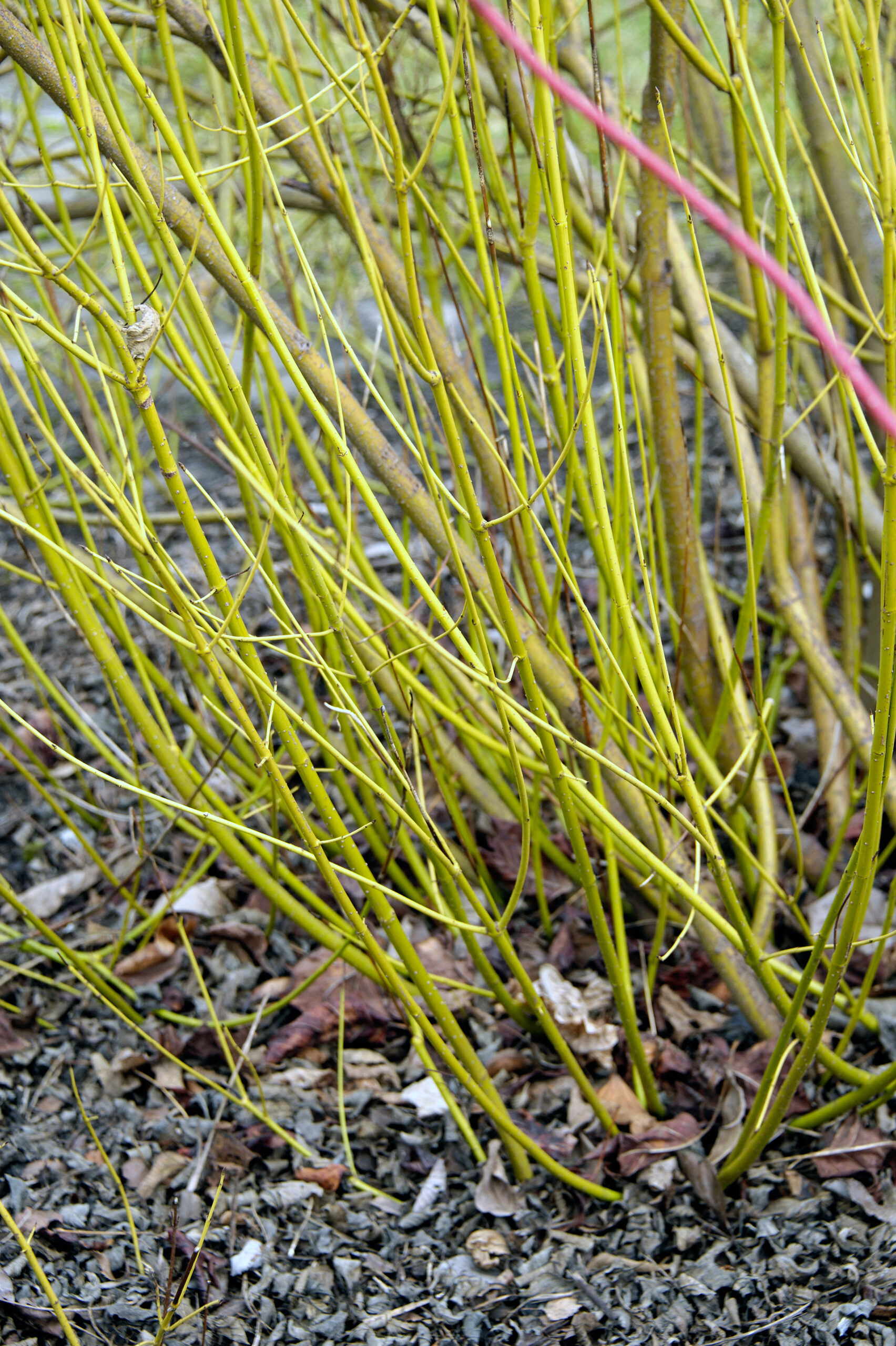
Cornus sericea ‘Flaviramea’
Price range: £30.00 through £50.00
Frequently Bought Together
Description
Quick Facts
- Common Name: Golden-twig Dogwood, Yellow-stemmed Dogwood
- Botanical Name: Cornus sericea ‘Flaviramea’
- Plant Type: Deciduous shrub
- Mature Height: 1.5–2.5m
- Mature Spread: 2–3m
- Foliage: Mid-green, oval leaves; good yellow-orange autumn colour
- Stems: Bright yellow-green, most vivid in winter
- Flowering Period: May to June
- Flower Colour: Small, creamy-white clusters
- Fruit: White berries in late summer (attractive to birds)
- Hardiness: RHS H6 (hardy throughout UK & Ireland)
- Soil Requirements: Moist, well-drained, moderately fertile; tolerates wet or heavy soils
- Aspect: Full sun to partial shade (best stem colour in sun)
- Maintenance: Low to moderate (annual pruning for best colour)
Description
Cornus sericea ‘Flaviramea’ is a wonderfully resilient dogwood, grown primarily for its dazzling winter stems that light up the garden when little else is in show. The upright, bright yellow-green branches are at their most vivid from late autumn through early spring, creating a striking contrast against bare soil, snow, or evergreens.
In spring and summer, ‘Flaviramea’ forms a bushy mound of mid-green foliage, producing clusters of small, creamy-white flowers followed by white berries that attract birds. The leaves turn warm shades of yellow and orange in autumn, adding another season of interest before the bare stems take centre stage.
This dogwood thrives in a wide range of soils, including damp or heavy ground, and is ideal for borders, waterside planting, or as a vibrant winter feature in mixed shrub beds. It’s also excellent for mass planting, where its colour impact is multiplied.
Caragh Garden Notebook
Planting:
Space plants 1.5–2m apart for a dense effect or use singly as a specimen. Plant container-grown specimens in spring (March–May) or autumn (September–October). Choose a sunny to lightly shaded spot—full sun gives the brightest winter stem colour. Dig a generous hole, loosen the soil well, and incorporate compost or well-rotted manure to support establishment. Plant at the same depth as in the pot, firm in gently, water thoroughly, and mulch.
Space plants 1.5–2m apart for a dense effect or use singly as a specimen. Plant container-grown specimens in spring (March–May) or autumn (September–October). Choose a sunny to lightly shaded spot—full sun gives the brightest winter stem colour. Dig a generous hole, loosen the soil well, and incorporate compost or well-rotted manure to support establishment. Plant at the same depth as in the pot, firm in gently, water thoroughly, and mulch.
Soil Preparation:
Prefers moist, well-drained soil but is very tolerant, including heavy clay or poorly drained ground. Mulch annually to conserve moisture and feed the soil.
Prefers moist, well-drained soil but is very tolerant, including heavy clay or poorly drained ground. Mulch annually to conserve moisture and feed the soil.
Seasonal Care:
For the best winter colour, prune hard in late winter or early spring—cut back a third to two-thirds of the stems to near ground level to encourage strong new growth. Remove any dead, weak, or crossing branches. Water during dry spells in the first year.
For the best winter colour, prune hard in late winter or early spring—cut back a third to two-thirds of the stems to near ground level to encourage strong new growth. Remove any dead, weak, or crossing branches. Water during dry spells in the first year.
Pests & Problems:
Generally trouble-free. Watch for occasional leaf spot or aphids. Good hygiene and air circulation help prevent issues.
Generally trouble-free. Watch for occasional leaf spot or aphids. Good hygiene and air circulation help prevent issues.
Design Notes:
Superb for winter colour in borders, as a specimen or in groups. Pairs beautifully with red- or orange-stemmed dogwoods, evergreen shrubs, and spring bulbs. Excellent for waterside planting, wildlife gardens, and low-maintenance schemes.
Superb for winter colour in borders, as a specimen or in groups. Pairs beautifully with red- or orange-stemmed dogwoods, evergreen shrubs, and spring bulbs. Excellent for waterside planting, wildlife gardens, and low-maintenance schemes.
Related products
-

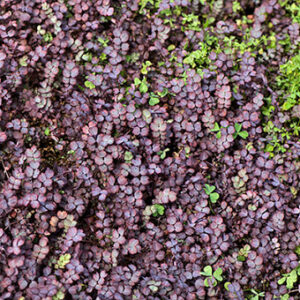
Acaena intermis Purpurea
£15.00 Select options This product has multiple variants. The options may be chosen on the product page -
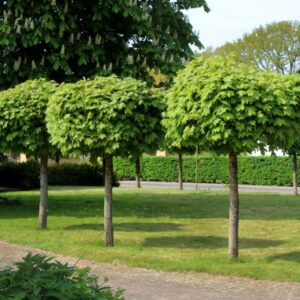
Acer Globosum
Price range: £295.00 through £1,050.00 Select options This product has multiple variants. The options may be chosen on the product page -
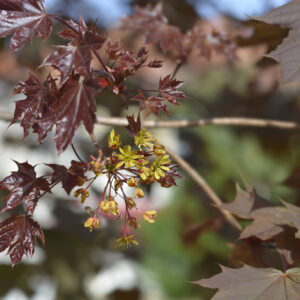
Acer Crimson King / Red Norway Maple
Price range: £180.00 through £950.00 Select options This product has multiple variants. The options may be chosen on the product page -
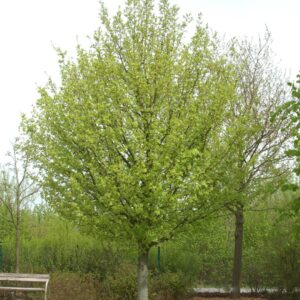
Acer campestre Elsrijk
Price range: £210.00 through £780.00 Select options This product has multiple variants. The options may be chosen on the product page