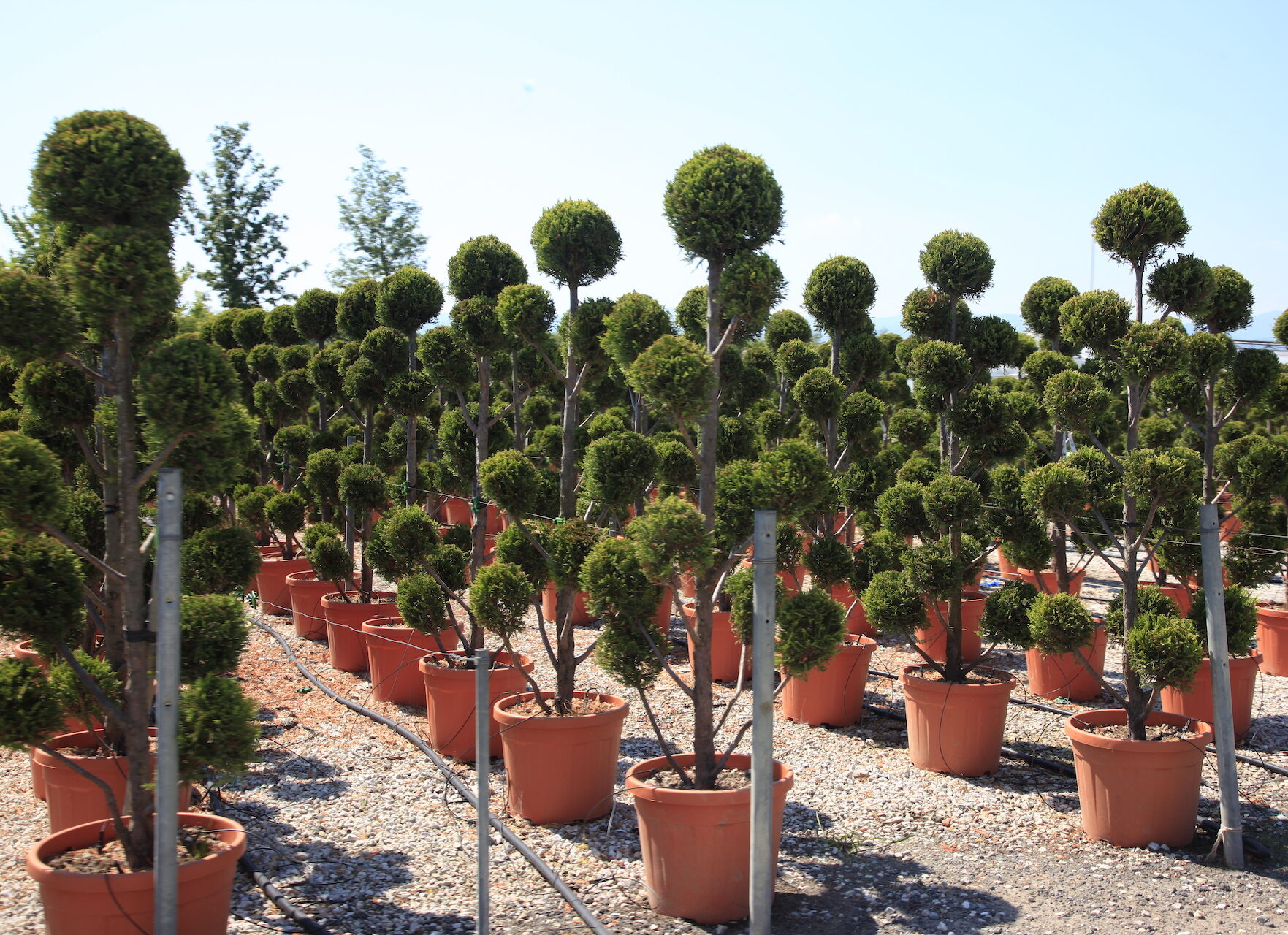
Cupressus Castlewellan Gold / Castlewellan Gold Cypress Pom poms
Price range: £195.00 through £500.00
Frequently Bought Together

Description
Quick Facts
- Common Name: Castlewellan Gold Cypress, Gold Monterey Cypress (Pom Pom)
- Botanical Name: Cupressus macrocarpa ‘Castlewellan Gold’
- Plant Type: Evergreen conifer, trained topiary (straight stem with pom poms)
- Mature Height: 2–4m+ in the ground (kept to size with clipping)
- Mature Spread: 60cm–1.2m (kept narrow in pom pom form)
- Foliage Colour: Bright golden-yellow new growth, maturing to rich gold-green
- Foliage Texture: Soft, feathery sprays; dense when clipped
- Hardiness: Hardy in most UK & Ireland gardens; best in a sheltered spot away from harsh, drying winds
- Soil Requirements: Moist, well-drained soil; dislikes winter waterlogging
- Aspect: Full sun to part shade (best colour in sun)
- Maintenance: Moderate (regular trimming to hold the pom poms)
Description
Cupressus ‘Castlewellan Gold’ trained into pom poms is one of those plants that instantly adds a sense of design—playful, architectural, and wonderfully bright all year round. A clean, straight stem lifts the foliage into a series of clipped “clouds”, giving you height and structure without heaviness, and a golden glow that makes patios, entrances, and borders feel more finished.
The foliage is soft and feathery rather than prickly, and the colour is a real lift: fresh golden growth through the season, deepening into a rich gold-green that still holds light through winter. Used in pairs, it creates a smart, welcoming frame for a doorway; used singly, it’s a sculptural feature that draws the eye and brings shape to planting.
It’s also a brilliant choice for large pots—easy to keep tidy, easy to place, and always doing its job, even when the rest of the garden is resting.
Caragh Garden Notebook
Planting:
Plant in spring or autumn. Choose a bright spot (sun or light shade) with some shelter from strong winds to keep growth even and the pom poms crisp. Dig a generous hole, loosen the soil, and mix in compost to help with establishment. Plant at the same depth as in the pot, firm in, water thoroughly, and mulch to conserve moisture (keep mulch away from the trunk).
Plant in spring or autumn. Choose a bright spot (sun or light shade) with some shelter from strong winds to keep growth even and the pom poms crisp. Dig a generous hole, loosen the soil, and mix in compost to help with establishment. Plant at the same depth as in the pot, firm in, water thoroughly, and mulch to conserve moisture (keep mulch away from the trunk).
Soil Preparation:
Best in moist, well-drained soil. Improve heavy clay with compost and a little grit to prevent winter waterlogging. In very light soils, add organic matter to help hold moisture.
Best in moist, well-drained soil. Improve heavy clay with compost and a little grit to prevent winter waterlogging. In very light soils, add organic matter to help hold moisture.
Watering:
Water regularly in the first year, especially in dry spells. Pom pom topiary in pots needs more frequent watering in spring and summer—don’t let it dry out completely. Consistent moisture helps keep growth even (which makes clipping easier and the shape more balanced).
Water regularly in the first year, especially in dry spells. Pom pom topiary in pots needs more frequent watering in spring and summer—don’t let it dry out completely. Consistent moisture helps keep growth even (which makes clipping easier and the shape more balanced).
Clipping & Keeping the Pom Poms Perfect:
- Trim 2–3 times a year during the growing season to maintain the rounded “cloud” shapes.
- Best windows: late spring (after the first flush), mid-summer, and early autumn.
- Clip little and often for the neatest finish, and avoid cutting hard into old brown wood.
- If your plant has a cane support, keep it in place until the stem feels sturdy and stable.
Feeding:
A spring feed with a balanced slow-release fertiliser helps keep colour and density strong—especially in containers. A yearly mulch of compost is a simple boost for plants in the ground.
A spring feed with a balanced slow-release fertiliser helps keep colour and density strong—especially in containers. A yearly mulch of compost is a simple boost for plants in the ground.
Pests & Problems:
Generally trouble-free. The main risks are drying out (especially in pots) and uneven growth if one side is shaded. Rotate container plants every few weeks for even colour and shape.
Generally trouble-free. The main risks are drying out (especially in pots) and uneven growth if one side is shaded. Rotate container plants every few weeks for even colour and shape.
Design Notes:
Perfect for entrances, patios, formal borders, and statement pots. Use in pairs for symmetry, or as a single sculptural piece to add height and structure. Looks especially good against stone, pale walls, or dark evergreens where the golden foliage can really glow.
Perfect for entrances, patios, formal borders, and statement pots. Use in pairs for symmetry, or as a single sculptural piece to add height and structure. Looks especially good against stone, pale walls, or dark evergreens where the golden foliage can really glow.
Related products
-

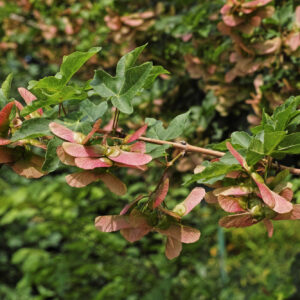
Acer campestre / Field Maple
Price range: £150.00 through £700.00 Select options This product has multiple variants. The options may be chosen on the product page -
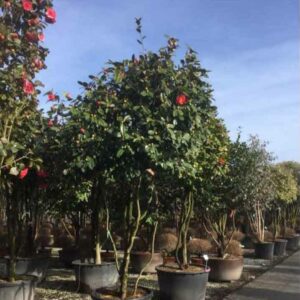
Camellia japonica Parachute Form
Price range: £750.00 through £1,800.00 Select options This product has multiple variants. The options may be chosen on the product page -
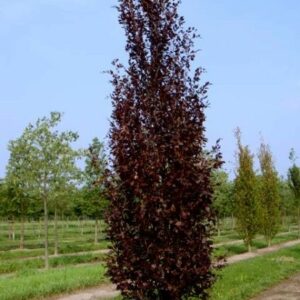
Fagus sylvatica Dawyck Purple
Price range: £450.00 through £1,800.00 Select options This product has multiple variants. The options may be chosen on the product page -
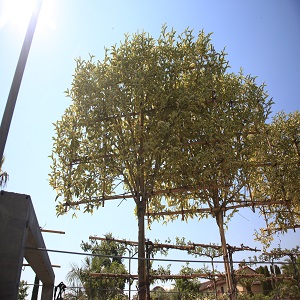
Ligustrum japonicum Aureum Standard Espalier
£540.00 Select options This product has multiple variants. The options may be chosen on the product page