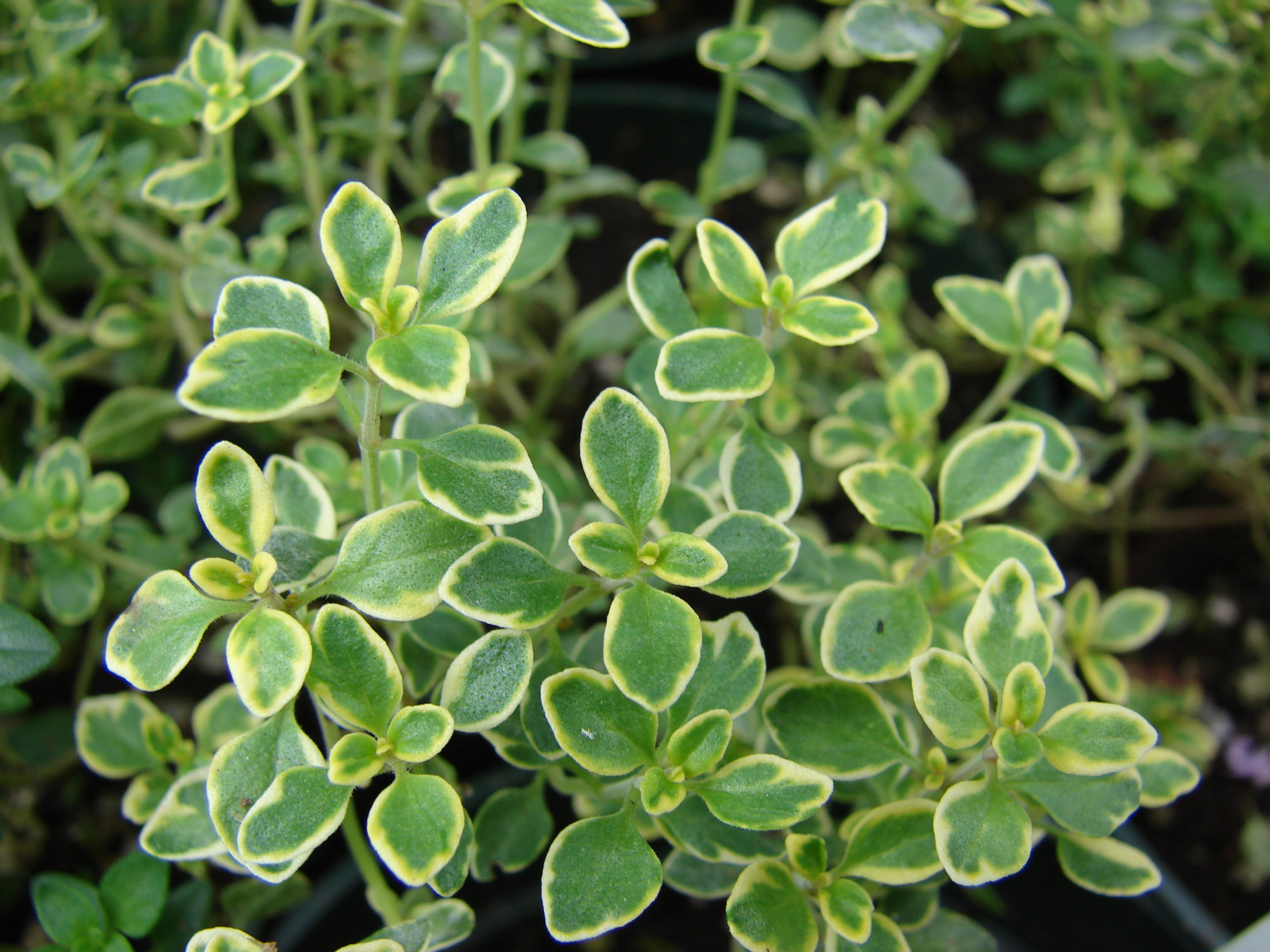
Thymus citriodorus Aureus
Price range: £8.50 through £12.50
Description
Quick Facts
- Common Name: Golden Lemon Thyme
- Botanical Name: Thymus × citriodorus ‘Aureus’
- Plant Type: Evergreen culinary herb / low, spreading sub-shrub
- Mature Height: 10–20cm
- Mature Spread: 30–45cm
- Flowering Period: June to August
- Flower Colour: Pale pink to lilac
- Foliage: Small golden-yellow leaves (often with green variegation); strongly lemon-scented when brushed
- Hardiness: RHS H5 (hardy in most UK & Ireland gardens; best with sharp drainage)
- Soil Requirements: Very well-drained, light to moderately fertile soil
- Aspect: Full sun (best colour and flavour)
- Maintenance: Low
Description
Thymus × citriodorus ‘Aureus’ is a bright, beautifully scented thyme that earns its keep in every season. Its tiny golden leaves form a low, spreading mat that lights up gravel gardens, herb beds, borders, and pots—while releasing a clean lemon fragrance whenever you brush past.
In summer, it’s sprinkled with pale pink to lilac flowers that are irresistible to pollinators. It’s as useful as it is pretty: snip a few sprigs for roasting vegetables, chicken, fish, or to lift a simple butter sauce with a fresh citrus note. Tucked between paving, it softens hard edges and turns a walkway into something you can smell.
Compact, hardy, and drought-tolerant once established, ‘Aureus’ is a brilliant choice for sunny, free-draining spots where other plants can struggle.
Caragh Garden Notebook
Planting:
Plant in spring or early autumn for the quickest establishment. Space plants 25–30cm apart to knit together into a fragrant groundcover. Choose a sunny position—full sun keeps the foliage golden and the growth tight. Water in well, then allow the soil to dry slightly between waterings as it settles in.
Plant in spring or early autumn for the quickest establishment. Space plants 25–30cm apart to knit together into a fragrant groundcover. Choose a sunny position—full sun keeps the foliage golden and the growth tight. Water in well, then allow the soil to dry slightly between waterings as it settles in.
Soil Preparation:
Thyme hates sitting wet. Aim for sharp drainage: lighten heavy soil with horticultural grit and compost, or plant on a slight mound/raised bed. In pots, use a gritty, free-draining compost mix and ensure drainage holes are clear.
Thyme hates sitting wet. Aim for sharp drainage: lighten heavy soil with horticultural grit and compost, or plant on a slight mound/raised bed. In pots, use a gritty, free-draining compost mix and ensure drainage holes are clear.
Seasonal Care:
After flowering, lightly trim to keep plants compact and prevent them getting woody. Avoid cutting into old, bare wood. In very wet winters, container plants benefit from a sheltered spot (bright and airy) to reduce the risk of rot.
After flowering, lightly trim to keep plants compact and prevent them getting woody. Avoid cutting into old, bare wood. In very wet winters, container plants benefit from a sheltered spot (bright and airy) to reduce the risk of rot.
Pests & Problems:
Generally trouble-free. The main issue is winter wet—good drainage is the best prevention.
Generally trouble-free. The main issue is winter wet—good drainage is the best prevention.
Design Notes:
Perfect for herb gardens, gravel planting, sunny borders, rockeries, and between paving. Pair with lavender, rosemary, sage, sedum, and ornamental grasses for a sun-loving, low-maintenance scheme.
Perfect for herb gardens, gravel planting, sunny borders, rockeries, and between paving. Pair with lavender, rosemary, sage, sedum, and ornamental grasses for a sun-loving, low-maintenance scheme.
Propagation:
Easy from softwood cuttings in late spring/summer, or by dividing established clumps in spring.
Easy from softwood cuttings in late spring/summer, or by dividing established clumps in spring.
Related products
-

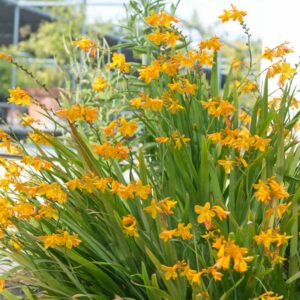
Crocosmia George Davidson
£7.50 Select options This product has multiple variants. The options may be chosen on the product page -
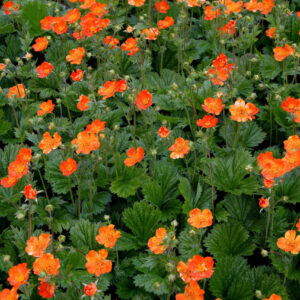
Geum Borisii
£8.50 Select options This product has multiple variants. The options may be chosen on the product page -
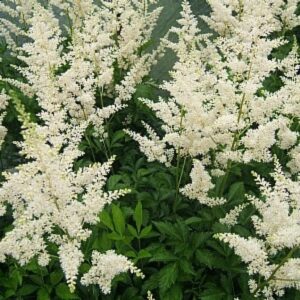
Astilbe Snowdrift
£7.50 Select options This product has multiple variants. The options may be chosen on the product page -
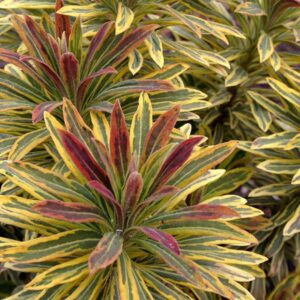
Euphorbia Ascot Rainbow
Price range: £8.50 through £15.00 Select options This product has multiple variants. The options may be chosen on the product page