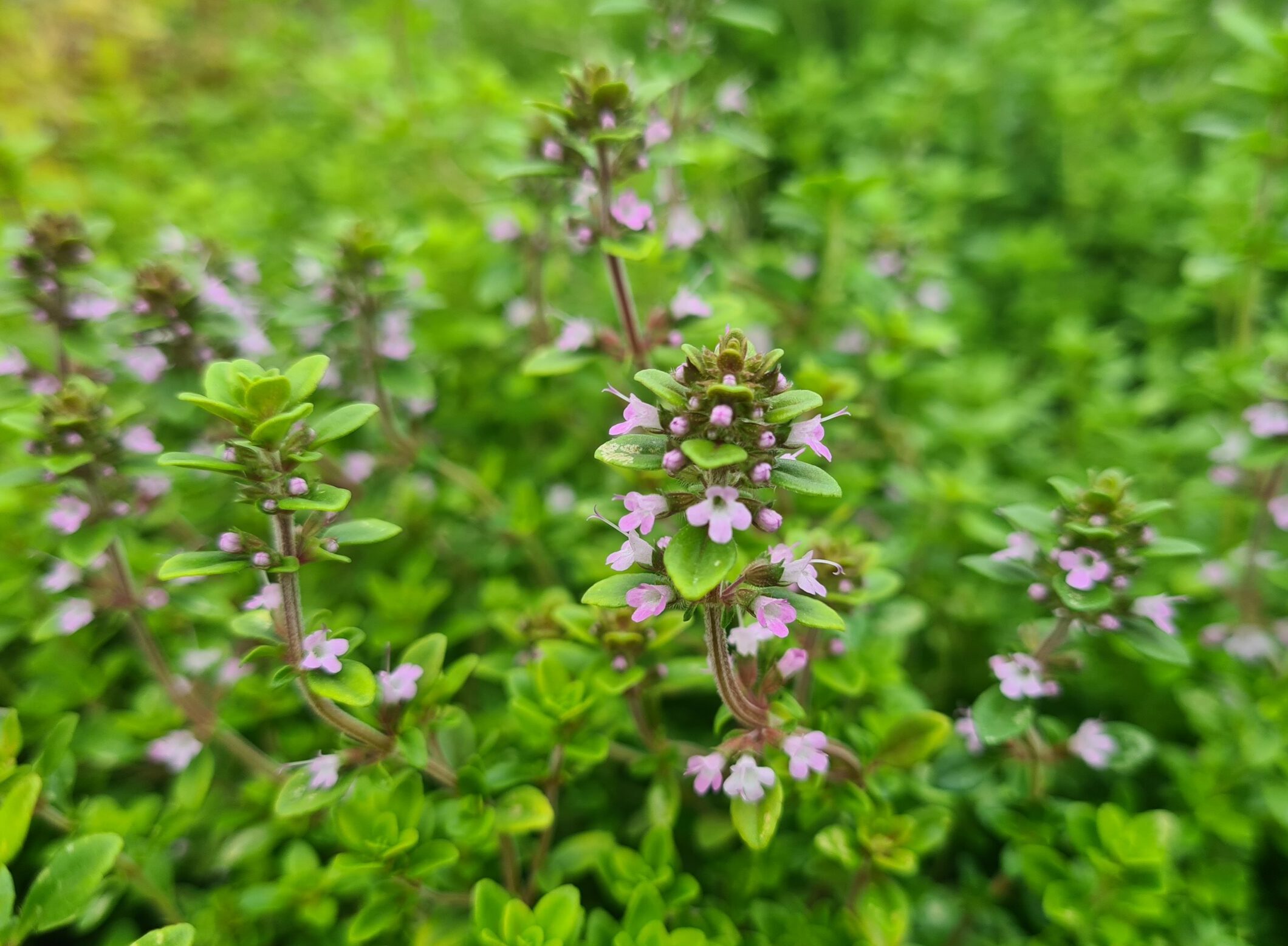
Thymus vulgaris ‘faustini’
£12.50
Frequently Bought Together

Description
Quick Facts
- Common Name: Thyme, Faustini Thyme
- Botanical Name: Thymus vulgaris ‘Faustini’
- Plant Type: Evergreen culinary herb / compact sub-shrub
- Mature Height: 15–30cm
- Mature Spread: 25–35cm
- Flowering Period: June to August
- Flower Colour: Soft pink to lilac
- Foliage: Small, aromatic grey-green leaves; strong, classic thyme scent
- Hardiness: RHS H5 (hardy in most UK & Ireland gardens; best with sharp drainage)
- Soil Requirements: Very well-drained, light to moderately fertile soil
- Aspect: Full sun (best flavour and compact growth)
- Maintenance: Low
Description
Thymus vulgaris ‘Faustini’ is a beautifully neat, reliable thyme that brings year-round structure to the herb garden—and a steady supply of fragrant sprigs for the kitchen. It forms a compact, bushy mound of small grey-green leaves, packed with that classic thyme aroma that instantly makes a dish feel slow-cooked and comforting.
In summer, ‘Faustini’ is dotted with soft pink to lilac flowers that draw in bees and other pollinators, making it as valuable to wildlife as it is to your cooking. It’s ideal for edging paths, tucking into raised beds, or growing in pots close to the back door, so you can snip a few stems whenever you need them.
Hardy, drought-tolerant once established, and naturally tidy, this is one of those herbs that quietly earns its space—season after season.
Caragh Garden Notebook
Planting:
Plant in spring or early autumn. Space plants 25–30cm apart for a full, rounded clump. Choose a sunny, open position—full sun gives the best flavour and keeps growth compact. Water in well, then water sparingly as plants establish.
Plant in spring or early autumn. Space plants 25–30cm apart for a full, rounded clump. Choose a sunny, open position—full sun gives the best flavour and keeps growth compact. Water in well, then water sparingly as plants establish.
Soil Preparation:
Thyme needs excellent drainage. In heavy soils, mix in horticultural grit and compost, or plant on a slight mound/raised bed. In containers, use a gritty, free-draining compost and avoid leaving pots sitting in saucers of water.
Thyme needs excellent drainage. In heavy soils, mix in horticultural grit and compost, or plant on a slight mound/raised bed. In containers, use a gritty, free-draining compost and avoid leaving pots sitting in saucers of water.
Seasonal Care:
Trim lightly after flowering to keep plants dense and prevent them becoming woody. Avoid cutting hard back into old, bare stems. In late winter/early spring, remove any dead tips and tidy the shape.
Trim lightly after flowering to keep plants dense and prevent them becoming woody. Avoid cutting hard back into old, bare stems. In late winter/early spring, remove any dead tips and tidy the shape.
Pests & Problems:
Generally trouble-free. The biggest risk is winter wet, which can cause root rot—good drainage is key.
Generally trouble-free. The biggest risk is winter wet, which can cause root rot—good drainage is key.
Design Notes:
Perfect for herb gardens, sunny borders, gravel planting, and pots. Lovely alongside rosemary, sage, lavender, oregano, and chives. Plant near seating or along a path where you’ll brush past and release the scent.
Perfect for herb gardens, sunny borders, gravel planting, and pots. Lovely alongside rosemary, sage, lavender, oregano, and chives. Plant near seating or along a path where you’ll brush past and release the scent.
Propagation:
Easy from softwood cuttings in late spring/summer, or by dividing established plants in spring.
Easy from softwood cuttings in late spring/summer, or by dividing established plants in spring.
Related products
-

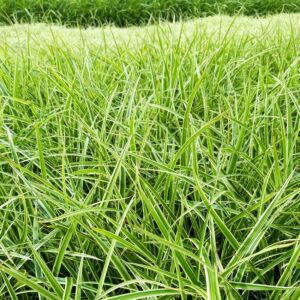
Carex ‘Evergold’
Price range: £8.50 through £10.50 Select options This product has multiple variants. The options may be chosen on the product page -
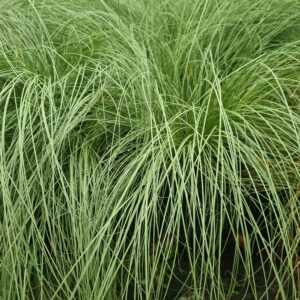
Carex comans Frosted Curls
£8.50 Select options This product has multiple variants. The options may be chosen on the product page -
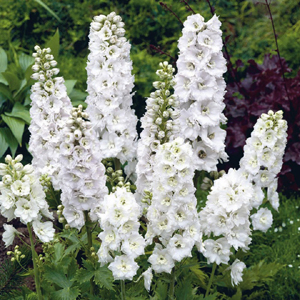
Delphinium Pure White – Magic Fountain
£8.50 Select options This product has multiple variants. The options may be chosen on the product page -
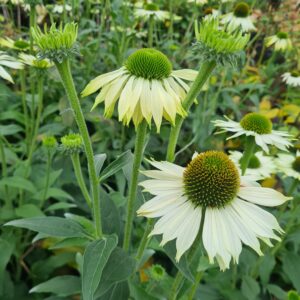
Echinacea purpurea Alba
£8.50 Select options This product has multiple variants. The options may be chosen on the product page