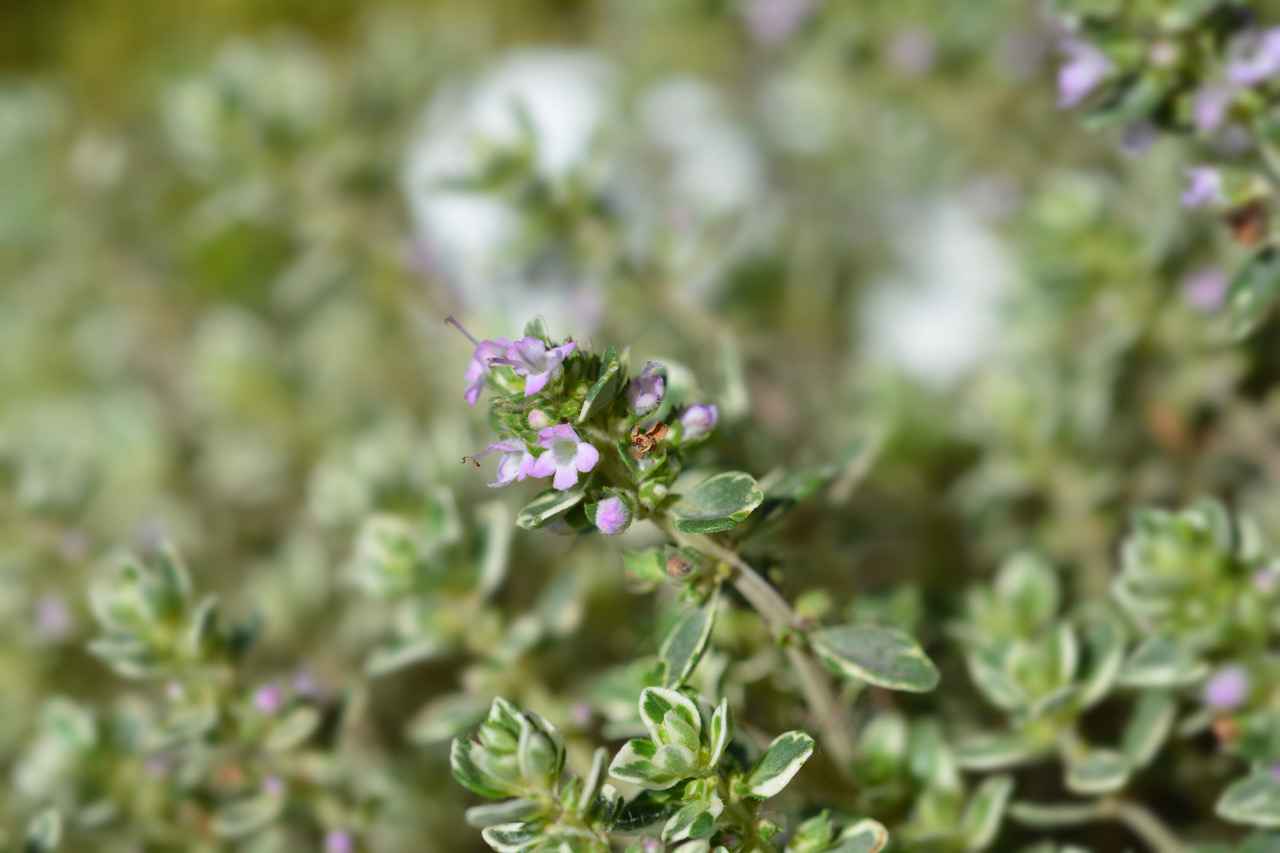
Thymus x citriodorus ‘Lady D’
£12.50
Frequently Bought Together

Description
Quick Facts
- Common Name: Lemon Thyme, Lady D Lemon Thyme
- Botanical Name: Thymus × citriodorus ‘Lady D’
- Plant Type: Evergreen culinary herb / low, spreading sub-shrub
- Mature Height: 10–20cm
- Mature Spread: 30–45cm
- Flowering Period: June to August
- Flower Colour: Pale pink to lilac
- Foliage: Small, bright green leaves; strong lemon fragrance when brushed
- Hardiness: RHS H5 (hardy in most UK & Ireland gardens; best with sharp drainage)
- Soil Requirements: Very well-drained, light to moderately fertile soil
- Aspect: Full sun (best flavour and compact growth)
- Maintenance: Low
Description
Thymus × citriodorus ‘Lady D’ is a wonderfully fresh, citrus-scented thyme that’s as useful as it is pretty. It forms a neat, low mound of small green leaves, releasing a clean lemon fragrance the moment you brush past—perfect for planting near a path, in a raised herb bed, or in a pot by the kitchen door.
In summer, ‘Lady D’ is sprinkled with pale pink to lilac flowers that bees absolutely adore. It’s a brilliant all-rounder: hardy, drought-tolerant once established, and naturally tidy, with a flavour that lifts everyday cooking. Snip a few sprigs to brighten roast chicken, fish, vegetables, or to infuse oils and marinades with a gentle lemon note.
If you love herbs that earn their space year-round—beautiful, fragrant, and genuinely useful—‘Lady D’ is a lovely choice.
Caragh Garden Notebook
Planting:
Plant in spring or early autumn. Space plants 25–30cm apart for a fuller clump, or closer if you want it to knit into a low edging. Choose a sunny, open position—full sun gives the best flavour and keeps growth compact. Water in well, then allow the soil to dry slightly between waterings as it establishes.
Plant in spring or early autumn. Space plants 25–30cm apart for a fuller clump, or closer if you want it to knit into a low edging. Choose a sunny, open position—full sun gives the best flavour and keeps growth compact. Water in well, then allow the soil to dry slightly between waterings as it establishes.
Soil Preparation:
Thyme needs sharp drainage. Improve heavy soil with horticultural grit and compost, or plant on a slight mound/raised bed. In containers, use a gritty, free-draining compost and ensure pots never sit in water.
Thyme needs sharp drainage. Improve heavy soil with horticultural grit and compost, or plant on a slight mound/raised bed. In containers, use a gritty, free-draining compost and ensure pots never sit in water.
Seasonal Care:
Lightly trim after flowering to keep plants dense and prevent woody growth. Avoid cutting hard back into old, bare stems. In very wet winters, container plants benefit from a sheltered, airy spot.
Lightly trim after flowering to keep plants dense and prevent woody growth. Avoid cutting hard back into old, bare stems. In very wet winters, container plants benefit from a sheltered, airy spot.
Pests & Problems:
Generally trouble-free. The biggest issue is winter wet—good drainage is the best prevention.
Generally trouble-free. The biggest issue is winter wet—good drainage is the best prevention.
Design Notes:
Perfect for herb gardens, sunny borders, gravel planting, and pots. Lovely alongside rosemary, sage, lavender, oregano, chives, and creeping sedums. Plant near seating or steps for that “brush-and-smell” moment.
Perfect for herb gardens, sunny borders, gravel planting, and pots. Lovely alongside rosemary, sage, lavender, oregano, chives, and creeping sedums. Plant near seating or steps for that “brush-and-smell” moment.
Propagation:
Easy from softwood cuttings in late spring/summer, or by dividing established clumps in spring.
Easy from softwood cuttings in late spring/summer, or by dividing established clumps in spring.
Related products
-

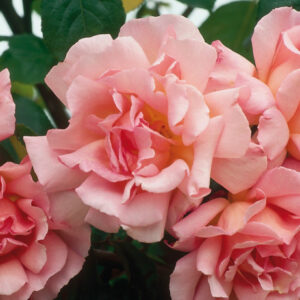
Rosa ‘Compassion’ climbing rose
£25.00 Select options This product has multiple variants. The options may be chosen on the product page -

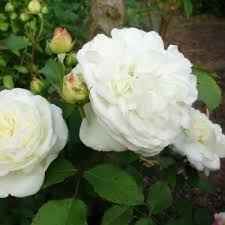
Rosa Tranquility – David Austin Roses
£30.00 Select options This product has multiple variants. The options may be chosen on the product page -
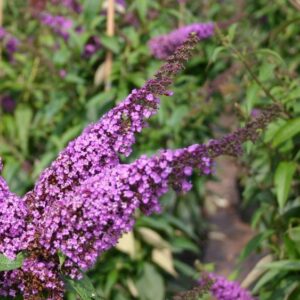
Buddleja davidii Pink Delight
£9.50 Select options This product has multiple variants. The options may be chosen on the product page -
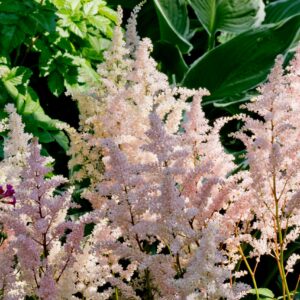
Astilbe Peach Blossom
£8.50 Select options This product has multiple variants. The options may be chosen on the product page