Wisteria flor. ‘Issai’- 1/2 Standard
£195.00
Frequently Bought Together


Description
Quick Facts
- Common Name: Issai Wisteria (Half-Standard)
- Botanical Name: Wisteria floribunda ‘Issai’
- Plant Type: Deciduous, flowering climber (trained as half-standard)
- Form: Half-standard (clear stem with rounded, flowering head)
- Mature Height: 1.8–2.5m (half-standard form; can be kept smaller with pruning)
- Mature Spread: 1.5–2m
- Flowering Period: May to June (with possible light repeat in late summer)
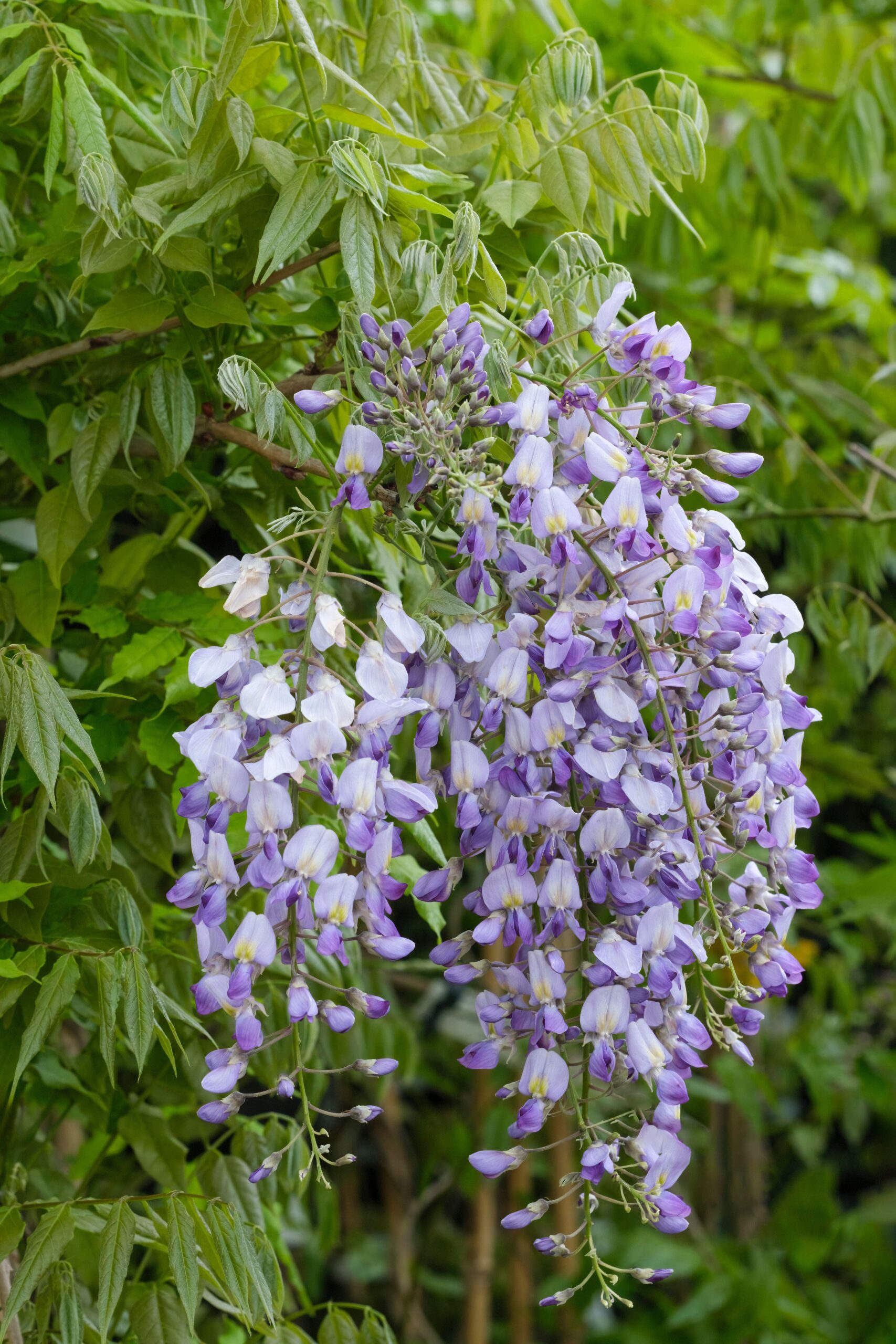
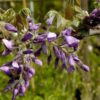
- Flower Colour: Long, fragrant racemes of pale lilac-blue, pea-like flowers
- Foliage: Soft, mid-green pinnate leaves; yellow autumn colour
- Hardiness: RHS H5 (hardy in most UK & Irish gardens)
- Soil Requirements: Moist, well-drained, moderately fertile
- Aspect: Full sun (best flowering); tolerates partial shade
- Maintenance: Moderate (annual pruning and training to maintain head)
Description
Wisteria floribunda ‘Issai’ in half-standard form is a superb choice for patios, courtyards, and formal borders, combining the romance of classic wisteria with the practicality of a compact, easy-to-manage shape. Grafted onto a clear stem, this form features a rounded, flowering head that bursts into bloom in late spring, producing long, cascading racemes of fragrant, pale lilac-blue flowers. The sweet scent and elegant display are perfectly positioned at eye level, making it easy to enjoy up close.
The foliage is lush and mid-green, creating a soft, full crown that looks attractive even when not in flower. In autumn, the leaves turn a gentle yellow, extending the season of interest. The half-standard form keeps the display tidy, manageable, and ideal for underplanting with bulbs or low perennials.
‘Issai’ is known for its reliable flowering, compact size, and strong performance in Irish and UK gardens. With regular pruning and support, it maintains its shape and blooms profusely year after year—making it an ideal feature for patios, entrances, or as a statement in a large container.
Caragh Garden Notebook
Planting:
Space half-standard trees 1.5–2m apart for a formal avenue or use singly as a specimen. Plant container-grown trees in spring (March–May) or early autumn (September–October). Choose a sunny, sheltered position for the best flowering—south or west-facing sites are ideal. Dig a generous hole, loosen the soil well, and incorporate compost or well-rotted manure to support establishment. Plant at the same depth as in the pot, firm in gently, water thoroughly, and mulch.
Space half-standard trees 1.5–2m apart for a formal avenue or use singly as a specimen. Plant container-grown trees in spring (March–May) or early autumn (September–October). Choose a sunny, sheltered position for the best flowering—south or west-facing sites are ideal. Dig a generous hole, loosen the soil well, and incorporate compost or well-rotted manure to support establishment. Plant at the same depth as in the pot, firm in gently, water thoroughly, and mulch.
Soil Preparation:
Prefers moist, well-drained, moderately fertile soil. Avoid waterlogged or very poor, dry ground. Improve heavy clay with grit and compost to aid drainage. Mulch annually to conserve moisture and feed the soil.
Prefers moist, well-drained, moderately fertile soil. Avoid waterlogged or very poor, dry ground. Improve heavy clay with grit and compost to aid drainage. Mulch annually to conserve moisture and feed the soil.
Pruning & Care:
Prune twice yearly—once after flowering in summer to maintain shape, and again in late winter to encourage flower buds and keep the head compact. Remove any shoots from the trunk below the head. Tie in any long, wayward shoots if needed.
Prune twice yearly—once after flowering in summer to maintain shape, and again in late winter to encourage flower buds and keep the head compact. Remove any shoots from the trunk below the head. Tie in any long, wayward shoots if needed.
Container Growing:
Excellent in large pots—use a free-draining, fertile compost and ensure containers have plenty of drainage holes. Water regularly in summer and feed with a high-potash fertiliser during the growing season.
Excellent in large pots—use a free-draining, fertile compost and ensure containers have plenty of drainage holes. Water regularly in summer and feed with a high-potash fertiliser during the growing season.
Pests & Problems:
Generally trouble-free. Watch for aphids, scale insects, or caterpillars on new growth. Good airflow and regular inspection help prevent problems.
Generally trouble-free. Watch for aphids, scale insects, or caterpillars on new growth. Good airflow and regular inspection help prevent problems.
Design Notes:
Perfect as a patio or courtyard feature, in formal borders, or flanking entrances. Underplant with spring bulbs or low perennials for a layered effect. The half-standard form is ideal where space is limited but dramatic colour and scent are desired.
Perfect as a patio or courtyard feature, in formal borders, or flanking entrances. Underplant with spring bulbs or low perennials for a layered effect. The half-standard form is ideal where space is limited but dramatic colour and scent are desired.
Related products
-

Elaeagnus ebbengei – 1/2 Standard and 3/4 Standard Espaliers
Price range: £350.00 through £600.00 Select options This product has multiple variants. The options may be chosen on the product page -

Cryptomeria Globosa Nana, 1/2 & 1/4 Standard
Price range: £120.00 through £165.00 Select options This product has multiple variants. The options may be chosen on the product page -
Salix integra ‘Hakuro-Nishiki’
Price range: £25.00 through £95.00 Select options This product has multiple variants. The options may be chosen on the product page -
Cedrus deodara Pendula
£700.00 Select options This product has multiple variants. The options may be chosen on the product page